Driver License Services in Utah, Online and In Person
If you need to renew, replace, update or apply for a Utah driver license, the first challenge is knowing which tasks can be handled online and which call for an office visit. Utah’s Driver License Division offers several ways to manage license business, but the right route depends on what you need and whether you meet the requirements for that service.
Start by identifying the service you need
“Driver license services” can mean very different things: renewing an existing credential, changing an address, applying for an original license, replacing a missing card or completing a transaction connected to a commercial license. Before opening the online portal or traveling to an office, describe your task as specifically as possible. That makes it easier to find the right instructions and avoid starting the wrong process.
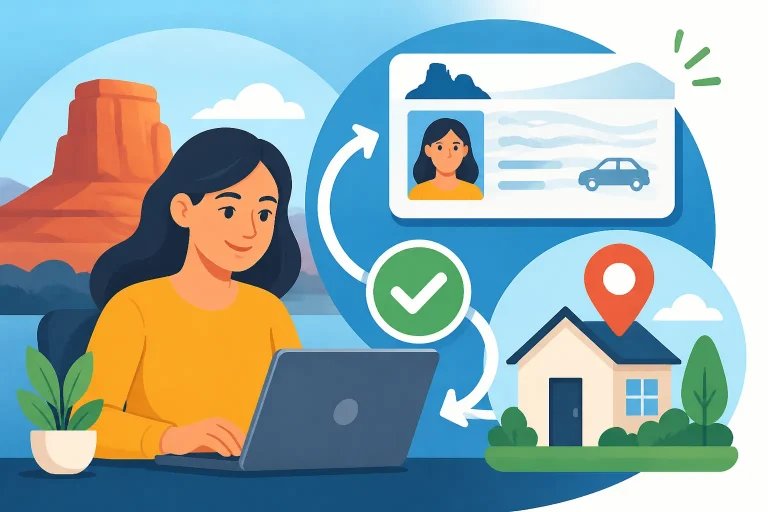
The Utah Driver License Division’s online portal offers both license renewal and address changes. Online renewal may depend on eligibility, so an option appearing on the portal does not mean every driver can complete the transaction online. The portal is a useful first place to check, but follow its prompts and confirm the current requirements for your situation.
For an in-person task, use the Division’s official information to confirm what the office can handle and what you need to bring. Some services may involve a document review, identity verification, testing or other steps that cannot be completed through a general online transaction. Don’t assume that every office offers every service, or that a visit is unnecessary just because a related service is available online.
It can help to sort your request into one of these categories:
| What you need to do | A useful first step | What to verify |
|---|---|---|
| Renew an existing license | Check the Utah Driver License online portal | Whether you are eligible for online renewal and whether the portal directs you to an office |
| Change your address | Check the portal’s address-change service | Whether the change updates the record only or also involves a replacement card |
| Apply for an original license | Review the Division’s first-time applicant instructions | Which documents, tests and other steps apply to your circumstances |
| Replace a lost, stolen or damaged card | Check the Division’s replacement instructions | Whether your situation qualifies for the online option or requires an in-person transaction |
| Update a name or other record detail | Read the instructions for that specific change | Which supporting documents are required and whether an office visit is needed |
| Handle a commercial-license transaction | Use the commercial driver license instructions | Whether the transaction has special rules or an in-person requirement |
For a broader overview of what an existing or new license transaction can involve, see Utah Driver’s Licenses: A Guide to Getting, Renewing and Replacing. If you are unsure which Utah office handles your request, DLD or DMV? Which Utah Agency Handles Licenses and Registration can help distinguish driver-license business from vehicle registration and title work.
A useful rule of thumb is to treat the portal as a way to check and complete services where eligible, not as a substitute for reading the instructions. If the online system stops you, asks for an office visit or does not offer the transaction you need, don’t keep guessing at alternate options. Check the Division’s instructions for that exact task and plan around the route it provides.
Online services: what they can do and what to check
The portal is often the most convenient starting point for routine license business. Utah’s Driver License Division says its online portal offers both license renewal and address changes. Those services can save a trip when your situation qualifies, but online access does not remove the need to meet the applicable eligibility requirements or provide accurate information.
Online renewal
If your license is coming up for renewal, begin by checking whether the portal allows you to proceed. The Division’s online renewal option may depend on eligibility. If the portal confirms that you can continue, read every prompt carefully, especially those asking you to confirm personal details or supply information about your current status.
If the portal does not offer renewal, or it directs you to complete the process in person, follow that direction rather than assuming there is a workaround. An online service can be unavailable for a particular record or circumstance even when another driver can use it. The official eligibility instructions are more reliable than a general assumption based on someone else’s experience.
Before starting, have your current license and any information the portal requests available. Check that the identifying details you enter match your records. If something is incorrect or you are unsure how to answer, pause and contact the Division through its official channels rather than submitting a guess that could delay the transaction.
For a closer look at the online-renewal question, see Is Your Utah Driver License Eligible for Online Renewal?. If you want to handle an address change during the same general period as a renewal, Renewing a Utah License and Changing Your Address Online in One Go may help you understand what to check before you begin. The portal’s prompts and the Division’s current instructions should guide the final decision.
Address changes
A change of address sounds simple, but it is worth checking what the online service actually updates. The portal offers address changes, but do not assume that updating a record automatically orders a new card or changes all information printed on the physical license. Confirm whether the steps you complete satisfy your goal, especially if you need a card showing the new address.
If you have moved within Utah, make sure you are using the driver-license process rather than only updating a vehicle registration record. These are separate kinds of government business, and one update may not update the other. Two Address Changes After a Utah Move: One for DMV, One for DLD explains why drivers may have to handle an address change with more than one agency.
Commercial license holders should pay particular attention to the Division’s rule. According to the Utah Driver License Division, commercial driver license holders must apply in person for a duplicate license within 30 days of changing their address. That is a specific requirement for commercial holders; do not assume the general portal address-change option replaces it. Confirm the current procedure with the Division if your situation involves a commercial license.
Other online tasks
A portal may not offer every service a driver needs. If you are trying to replace a card, update a name, resolve an application issue or complete a transaction after a license action, look for instructions specific to that task. The fact that one change can be made online does not establish that another change can be done the same way.
Use the Division’s official site to check available services, eligibility and current instructions. If the portal does not list your task, does not recognize your information or returns an instruction to visit an office, treat that as a reason to confirm the next step. Avoid submitting multiple transactions just to see which one works; an inaccurate or duplicate request can create more confusion.
Online services are especially helpful when you know exactly what you need and your record fits the transaction’s requirements. They are less helpful when your case involves conflicting documents, a first-time application, a commercial-license rule or an unresolved question about your record. In those situations, checking the official instructions before you start can prevent a failed online attempt and an unnecessary trip.
In-person services and original license applications
An office visit may be necessary when a service requires the Division to review documents, verify identity, conduct a screening or administer a test. The exact requirements depend on the application and the applicant’s circumstances. Before traveling, check the Utah Driver License Division’s instructions for the service you need, including whether that office handles it and whether you must arrange the visit in a particular way.
The Division provides services for Regular First-Time Utah Original driver licenses, according to the Utah Driver License Division. An original application is different from renewing or replacing an existing license: the applicant is establishing eligibility for a license rather than updating a credential already held. That can mean gathering supporting documents and completing required steps before the Division can issue a license.
For a first-time applicant, plan the process around the official requirements, not around an assumption that an office visit alone completes everything. According to the Utah Driver License Division, first-time applicants must pass a driving skills test before they can be licensed in Utah. Read the Division’s instructions for the application and test process so you know how to prepare and what needs to happen before the license can be issued.
Documents are an important part of an original application. Requirements can depend on the applicant’s situation, so use the Division’s current document instructions rather than relying on a generic list. Proving Utah Residency for a Driver License, Document by Document can help you think through address evidence, while Documents to Bring to a Utah Driver License Appointment is useful for organizing an office visit. Confirm that every document you plan to use is accepted for your specific application.
If you are transferring a license from elsewhere, replacing a lost card or applying for a credential with a particular status, your route may differ from the Regular First-Time Utah Original process. Identify which category fits before gathering paperwork. A driver who has held a license before should not assume the same steps apply as someone who has never been licensed, and a person transferring a credential should check the transfer instructions rather than treating the application as entirely new.
An in-person appointment or visit is also a good opportunity to get an unresolved issue clarified, but the office cannot necessarily complete every task on the spot. A missing document, a mismatch in records or a service offered only through a different process can mean another step is needed. Check the specific office’s service information before you set out, and use the official office locator to find a nearby location and its current hours.
Renewals, replacements and record updates
The key to handling a renewal, replacement or record update smoothly is to distinguish the change you want from the document you currently hold. A renewal extends an existing credential through the Division’s renewal process. A replacement concerns the physical card when it is lost, stolen or damaged. A record update changes information associated with the license. These needs can overlap, but they are not interchangeable.
Renewing a license
Start a renewal by checking the online portal. Since online renewal may depend on eligibility, be prepared for the possibility that you will need to follow a different route. The portal’s instructions can indicate whether you can continue online or should complete the process through an office.
If you are directed to an office, review the renewal instructions before you go. Confirm what identification or supporting material is required, whether a test or screening applies to your case, and whether you need an appointment. Do not rely on an old renewal notice or a prior visit to answer a current question; the Division’s current directions are the best basis for planning.
A driver who has questions about timing, eligibility or a renewal notice can use When Does Utah Send a Driver License Renewal Notice? for additional context. If the online renewal route turns you away, Online Renewal Turned You Away? Next Steps With DLD can help you focus on practical next steps. In either case, use the official Division process to complete the transaction.
Replacing a card
If your card is missing or damaged, check the replacement instructions rather than starting a renewal automatically. The right option can depend on how much time remains on the credential and the details of your record. A duplicate card and a renewal may have different purposes, so make sure you understand which one matches your situation before submitting a request.
For a lost card, Lost Utah Driver License? First Steps and How to Replace It covers the issue in more detail. If the card is damaged or close to its expiration, Damaged Card, Months Left: Pay for a Duplicate or Wait It Out? can help you compare the questions to consider. The Division’s current instructions determine which transaction is available to you.
A replacement transaction may also raise a practical concern: what to do while waiting for the card. Do not assume that a receipt, online confirmation or other document has the same effect as a license card in every situation. Follow the Division’s instructions about temporary documentation and make sure you understand what you are allowed to do while a replacement is processed.
Updating a name or other information
A name change, address change or correction to a record should be treated as a specific service, not as a general renewal question. Check which documents the Division requires and whether the update can be done online. For a name change, How to Change the Name on a Utah Driver License can help you prepare for the document review and decide which steps to confirm with the Division.
After any record update, check whether the change affects only the Division’s records or also results in a new physical card. A driver may need to update more than one government record after a move or name change. For example, an address update for a driver license should not be assumed to update vehicle registration information.
If you are unsure which update is already on file, ask the Division how to verify the record before requesting another change. Keeping your confirmation details and noting what the portal or office told you can help if you need to follow up.
Commercial licenses and other special situations
Some license services have requirements that do not apply to every driver. Commercial license holders, applicants with limited-term credentials, people transferring licenses and drivers dealing with a suspension or medical review should check the instructions for their particular circumstances. A standard renewal page may not cover a rule that applies only to a specific license type.
For a commercial driver license holder changing an address, the Utah Driver License Division says the holder must apply in person for a duplicate license within 30 days of the change. This is a concrete example of why it is important to read instructions for the exact credential involved. A general address-change service may exist online, but a specific commercial-license rule can still require an in-person duplicate.
If you hold a commercial license and need another service, such as a renewal or replacement, do not assume that the address-change requirement describes every commercial transaction. Check the Division’s commercial license instructions for the task at hand. Utah Commercial Driver License Basics: Classes, Tests and Fees provides broader context about commercial credentials, while the Division’s current guidance should be used to confirm the applicable process.
Applicants with a limited-term license or a driving privilege card may also face steps that differ from those for a standard credential. Check the instructions that match the credential you hold, including any document or status verification required. Utah Licenses for Non-Citizens: Limited-Term and DPC Options and What Is a Utah Limited-Term Driver License and Who Gets One? can help explain the categories, but use the Division’s official instructions for decisions about a specific application.
A driver whose license has been suspended or otherwise restricted should not treat a routine renewal or replacement as a way to resolve the underlying issue. First confirm the license status and any required steps with the Division. How License Suspension and Reinstatement Work in Utah and Requesting a Hearing With Utah DLD After a License Action offer further context for drivers facing a license action.
Medical conditions, vision concerns and other individual circumstances can also affect a license transaction. If you have been asked to provide medical information or complete an evaluation, follow the instructions tied to that request rather than relying on general renewal guidance. How DLD Reviews Medical Conditions for a Utah Driver License may help explain the review process. For a vision-related concern, see Vision Screening for Utah Drivers: Standards, Forms and Follow-Up.
The practical point is simple: when a rule depends on license type or personal circumstances, use the instructions for that category. If the portal and a general service page seem to conflict, ask the Division to clarify which rule applies before submitting an application or traveling to an office.
How to prepare for a Utah DLD visit
An office visit is easier to manage when you arrive knowing what the Division expects and what the office can do. Requirements vary by transaction, so preparation should start with the service instructions rather than a broad assumption about what every driver needs to bring.
Before you leave
Check the Division’s current guidance for the specific service. Confirm whether the transaction is handled in person, whether an appointment or another visit arrangement is needed, what documents to bring and whether there are any steps to complete beforehand. If your request involves a test, check the relevant preparation and scheduling information rather than arriving with the expectation that it will automatically be available.
Gather original or otherwise acceptable documents according to the instructions. A document that seems persuasive may not meet the Division’s requirements, and a photocopy may not be accepted where an original or certified document is required. Photocopies, Faxes and Other Documents DLD Will Not Accept can help you avoid relying on documents that may not work. For an address issue, Which Papers Pass as Proof of Utah Address at the DLD Counter? offers a focused look at what to verify.
Make sure the name and other identifying details on your documents are consistent, or be ready to explain any differences with supporting paperwork. If you recently changed your name, bring the documents specified for that process. If you are transferring a license, check whether the Division needs information about your prior credential. The exact requirements depend on the service, so a personal document checklist is more useful than a generic one.
Confirm the office and visit details
Use the official Utah Driver License Division office locator to find the nearest office and confirm its current hours and services. A location listing can distinguish a driver license office from a vehicle-registration counter. If your errand concerns a license, make sure you are headed to the correct kind of office. DLD Office or DMV Office: Reading a Utah Location Listing Correctly can help prevent a trip to the wrong place.
Check whether the office handles your particular transaction before you travel. Some services require a particular office capability or an appointment arrangement, and service availability can change. When an office locator or service page gives specific instructions, follow those rather than relying on a search result or an older note.
Bring your current license if you have it, along with the supporting documents requested for your transaction. Keep any application reference or confirmation information accessible. If you have a question about the status of an application, write down what you have already completed and the exact issue you need resolved; clear details make it easier for staff to direct you to the right next step.
At the office
Explain the task in plain terms at the start: renewal, address update, original application, replacement or another specific request. If the service depends on a particular credential type or circumstance, mention that as well. This helps avoid being routed through a process that does not match your need.
Ask what the next step is before leaving, especially if the transaction cannot be completed during the visit. Confirm whether additional documents are required, whether you need to return, and how to check on the status. If you receive temporary documentation, follow the instructions that come with it and do not assume it covers every purpose of a physical license.
If you are not sure whether the Division has completed a record change, ask how to verify it. Keep any transaction details and confirmation information together until you have the outcome you need. This is particularly useful if a card will be mailed separately or if you need to follow up after an application review.
Choosing between online and in-person service
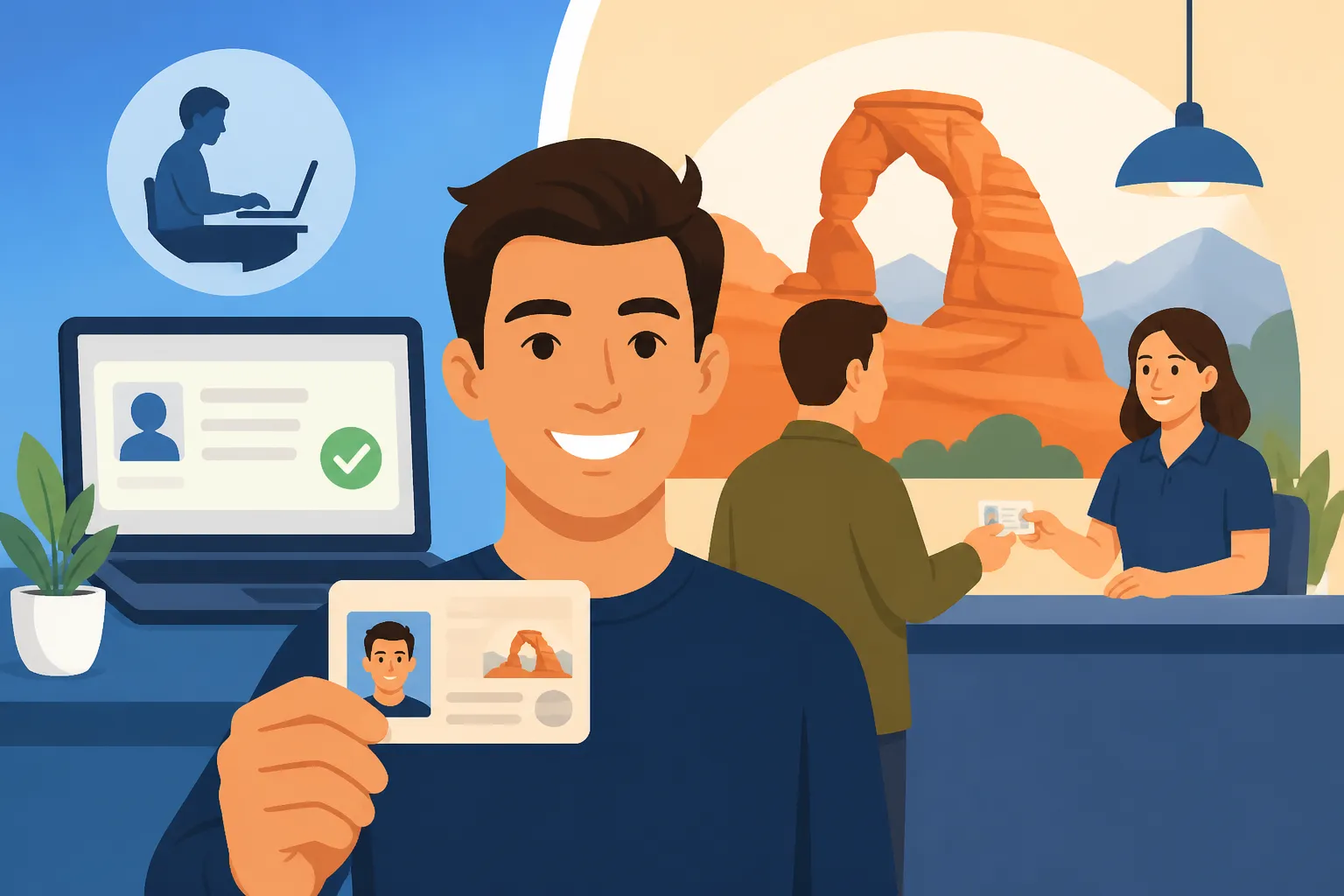
Neither online service nor an office visit is automatically the better choice. The best route is the one the Division offers for your specific transaction and record. Online services can be efficient for eligible routine requests, while an office visit may be necessary for document review, an original application, testing or a rule that specifically requires an in-person transaction.
Use the online route when the portal lists the service you need and confirms that your situation can proceed. Read the prompts all the way through and keep a record of any confirmation. If the portal cannot complete the request, do not assume that a second attempt or a different menu option will solve it. Check the Division’s instructions for a next step.
Choose an in-person route when the official instructions direct you to an office or the task requires a service that cannot be completed online. Before going, confirm the office’s services and current hours through the official locator, and prepare the documents required for your transaction. If a rule applies to a particular license type, such as the in-person duplicate requirement for commercial holders changing an address, follow that specific rule rather than a general online option.
A quick decision process can help:
- For a renewal: Check online eligibility first. If the portal does not allow you to proceed, follow the Division’s alternative instructions.
- For an address change: Check the portal, then confirm whether the change updates the record, the card or both for your purpose.
- For an original license: Review the application instructions and prepare for any required documents, screenings and tests. First-time applicants must pass a driving skills test before they can be licensed in Utah, according to the Utah Driver License Division.
- For a replacement: Check whether your circumstances qualify for the available replacement route and whether the credential’s status changes which option makes sense.
- For a commercial license: Read the commercial-specific instructions. According to the Utah Driver License Division, a commercial driver license holder changing an address must apply in person for a duplicate license within 30 days.
- For a complicated record issue: Contact the Division through its official channels or use the office route specified in the instructions instead of submitting a transaction that may not fit.
The decision should also account for the cost and time of a failed attempt. Fees and processing details can change, so check the Division for current figures and timelines rather than relying on an old estimate. If you need to travel to an office, checking the service and document requirements first can spare you a second trip. If you can complete the task online, reading the eligibility prompts carefully can reduce the chance of an incomplete transaction.
Drivers who are preparing for a first license may also need to plan education or practice outside the Division’s application process. If considering an online course from a provider such as I Drive Safely, verify with the Division that the specific course meets the requirement for your situation before enrolling. The provider’s description should not replace the Division’s rules.
Frequently Asked Questions
Can I renew my Utah driver license online?
The Utah Driver License online portal offers license renewal, but online renewal may depend on eligibility. Check the portal and follow the Division’s instructions if it directs you to another route.
Can I change my address online?
Yes. The Utah Driver License online portal offers address changes. Confirm whether the transaction updates the record, changes the card or meets your specific need.
Do first-time applicants need a driving skills test?
According to the Utah Driver License Division, first-time applicants must pass a driving skills test before they can be licensed in Utah. Check the Division’s instructions for the full application and testing process.
Can commercial driver license holders change an address online?
According to the Utah Driver License Division, commercial driver license holders must apply in person for a duplicate license within 30 days of changing their address. Confirm the current instructions for your specific commercial-license transaction.
How do I find the right office?
Use the Utah Driver License Division’s official office locator to find a nearby office and confirm its current hours and services. Check that the location handles the service you need before traveling.
Sources
- Utah Driver License Division — Drivers License Renewal (checked November 12, 2026)
- Utah Driver License Division — Driver Licensing Services | Utah Driver License Division (checked November 12, 2026)
- Utah Driver License Division — Driver Handbook 2026 (PDF) (checked November 12, 2026)
- Utah Driver License Division — Driving Skills Test | Utah Driver License Division (checked November 12, 2026)
Disclaimer
This article is for general informational purposes only and does not constitute professional advice. Laws, prices and regulations vary by location and change over time. Consult a qualified professional for guidance on your specific situation. Utah Driver Guide is not a government agency and is not affiliated with any state motor vehicle department.